Discover Tuscany
In the Heart of the Tuscany
Tuscany is a land that preserves an extraordinary layering of history, culture, and landscape, where every era has left a tangible mark, contributing to a unique identity recognized around the world. Its roots date back to the ancient Etruscan civilization, one of the most fascinating in the Mediterranean, which between the 9th and 1st centuries BC developed an advanced urban system based on organized city-states, refined craftsmanship, and a deep connection to the land. The Etruscans were pioneers in metalworking, urban planning, and religious rituals, leaving behind remarkable evidence still visible today in archaeological sites and necropolises across the region.
With Roman expansion, Tuscany—then part of Etruria—was integrated into the Empire, developing infrastructure, roads, and settlements that would shape the territory for centuries. However, it was during the Middle Ages and, above all, the Renaissance that Tuscany reached one of the highest points in its history. During this time, cities like Florence became the center of an extraordinary cultural, artistic, and scientific rebirth. The Medici family, one of the most influential dynasties in Europe, played a crucial role in supporting artists, architects, and thinkers, contributing to the creation of works and ideas that would change the course of Western history.
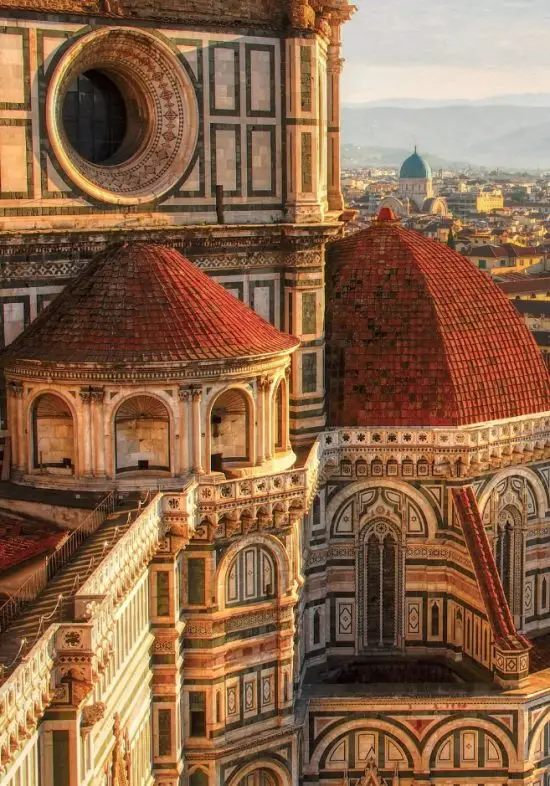
Under Medici patronage, Florence established itself as the capital of the Renaissance, giving rise to or hosting extraordinary figures such as Leonardo da Vinci, Michelangelo, Botticelli, and Brunelleschi. Their works not only enriched the local artistic heritage but also defined new aesthetic and cultural standards that continue to influence the world today. At the same time, other Tuscan cities developed strong and distinct identities, contributing to the richness and diversity of the region:
Florence, Siena, Pisa, Lucca, Arezzo
Each of these cities represents a fundamental part of the Tuscan narrative. Florence, with its palaces, churches, and museums, embodies the beating heart of the Renaissance. Siena, with its perfectly preserved medieval structure and the famous Palio, offers an authentic glimpse into historical civic life. Pisa, renowned for its iconic Leaning Tower, reflects the importance of the maritime republics, while Lucca captivates visitors with its intact city walls and intimate atmosphere. Arezzo, finally, holds remarkable artistic treasures and a deep-rooted cultural tradition.
Over time, Tuscany has maintained a harmonious balance between development and preservation, enhancing its rural and landscape heritage. The Tuscan countryside, with its rolling hills, orderly rows of cypress trees, and stone villages, represents one of the most iconic sceneries in the world. This landscape is not only visually stunning but also the result of centuries of agricultural work and a profound relationship between humans and nature.
The Tuscan hills are the heart of the region’s food and wine production, particularly when it comes to wine and extra virgin olive oil. Viticulture has ancient origins, dating back to the Etruscans, and has evolved over time to reach internationally recognized excellence. Vineyards stretch across ideal hillside terrains, benefiting from optimal exposure and soil composition.
Among the most representative grape varieties stands Sangiovese, the undisputed protagonist of Tuscan winemaking, forming the base of renowned wines such as Chianti, Brunello di Montalcino, and Vino Nobile di Montepulciano. Alongside it are Canaiolo, traditionally used in blends to soften Sangiovese, and Trebbiano, one of the most widespread white grape varieties, used for both fresh and more structured wines. In recent decades, Tuscany has also embraced international varieties such as Cabernet Sauvignon and Merlot, successfully integrating them into local traditions and giving rise to the so-called “Super Tuscans.”
Alongside viticulture, olive growing is another fundamental pillar of the Tuscan agricultural economy. Olive groves, often located on the same hills as vineyards, produce high-quality extra virgin olive oil, characterized by a balanced aromatic profile with fruity notes and a slightly spicy and bitter finish. The most common olive varieties include Frantoio, Leccino, and Moraiolo, each contributing distinct nuances to the final product.
In the contemporary era, Tuscany continues to stand as a model of sustainable development, where tradition and innovation coexist harmoniously. Tourism—particularly cultural and food and wine tourism—is one of the main economic drivers, attracting visitors from around the world eager to immerse themselves in the beauty of the landscapes, the richness of artistic heritage, and the quality of life. At the same time, many agricultural and local producers have embraced innovation, adopting sustainable practices while preserving authenticity.
Tuscany is not just a destination, but a complete sensory experience: from the beauty of its timeless landscapes to the richness of its flavors, and the depth of its history and culture. It is a land that tells the story of its past, lives fully in the present, and looks toward the future while remaining deeply rooted in its traditions.
In the Heart of Tuscany’s Art Cities and Medieval Villages
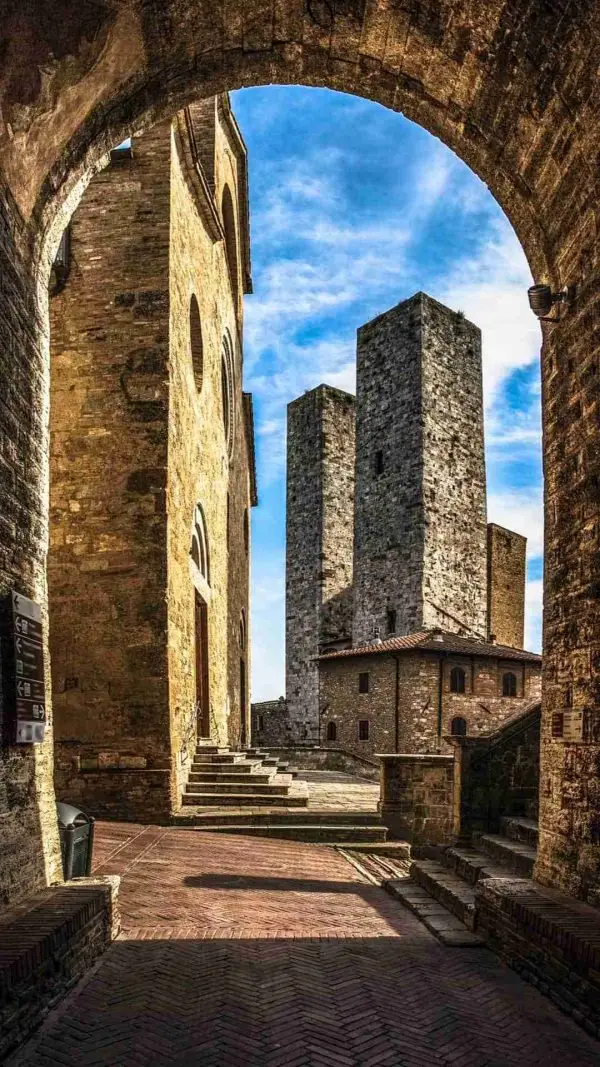
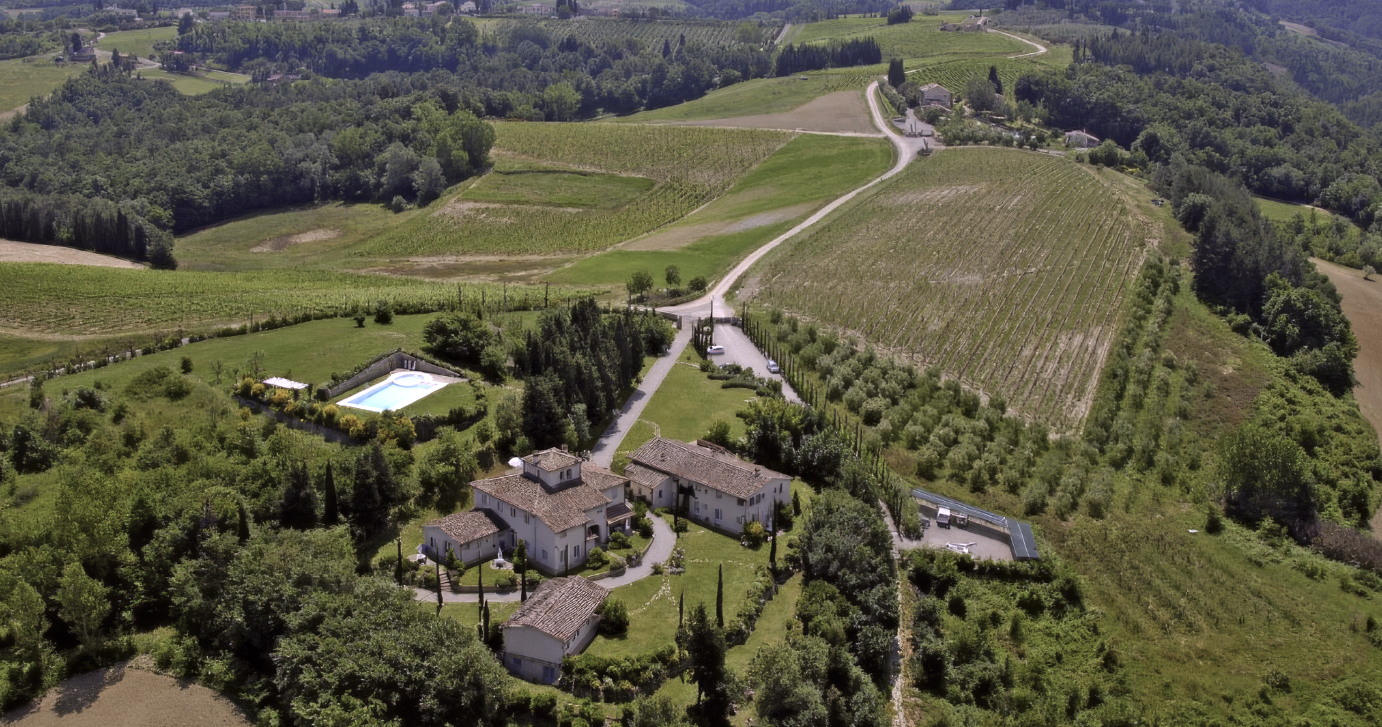
Set in a strategic position in the heart of Tuscany, the property is an ideal base for exploring some of the region’s most iconic medieval towns and art cities, including San Gimignano, Siena, Florence, Pisa, Lucca, and Arezzo. The area offers breathtaking landscapes, scenic hiking routes, cultural itineraries, and authentic experiences immersed in history, nature, and local traditions.